We Are Pioneers Of The Ethiopian Coffee Industry
Services Provide

Welcome to Said Adem Bedane Commidity Trading

The name of Haji Adam Bedane has been trusted and respected in Ethiopian coffee export market for almost 40 years. As the pioneer private exporter of Ethiopian coffee, our commitment is to get the best coffee from plantations throughout Ethiopia into cups all over the world.

0 +

Happy Customers

0 +

Coffee Pickers

0 +

Plantations

0 +

Awards Winning

Our Coffee

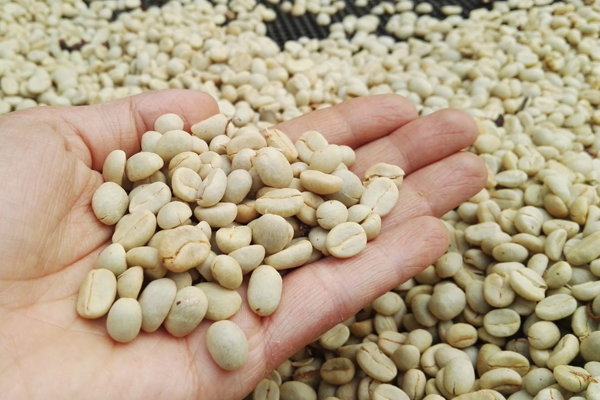
At the moment our flag ship coffee is, the Sidamo specialty coffee, prepared with both the natural dry and wet washed processing methods. Located some 350 kms south of the capital Addis Ababa, our specialty coffee is cultivated at about 1900 mts above sea level. Our coffee exhibits a mixed heirloom variety with cupping notes of chocolate, peach and cherry. It is indeed special in that it is made of quality beans with distinct flavor and aroma, well above the commonly available coffee. It also meets the highest standards as green coffee processing. Besides, its cultivation is eco-friendly, does not employ minors and strive to help the surrounding communities. This brand of coffee was used to be organic certified some years back and is now in the process of renewing its organic certificate. As a seasoned coffee producer and supplier, we also provide other coffee types including the Limu washed grade 2 as well as the the Jimma and Nekemte natural grade 5 coffee varieties.

Our Manager

When one takes the well-known road from Addis Ababa, via Yirga Alem and Dilla, towards Yirgacheffe, you pass the rich Sidamo area of Dare – a woreda in the South of the Sidama zone. There, you will meet Said Adem Bedane, owner of the Bonko washing station. Now the general Manager of Said Adem Bedane Commodity Trading. He explains his humble beginning:

‘Before I started to process coffee, I was a manager at my father’s import and export company,’ Said Adem Bedane explains. ‘So, setting up commercial businesses runs in the family. I bought the Bonko washing station before the introduction of the Ethiopian Commodity Exchange (ECX), and we were certified as an Organic coffee producer. I primarily sold the coffee to my father, who owned the ‘Adem Bedane Oda’ import-export. But when the ECX was established, the Organic certificate lost its value – our coffee couldn’t be traced back anymore.’

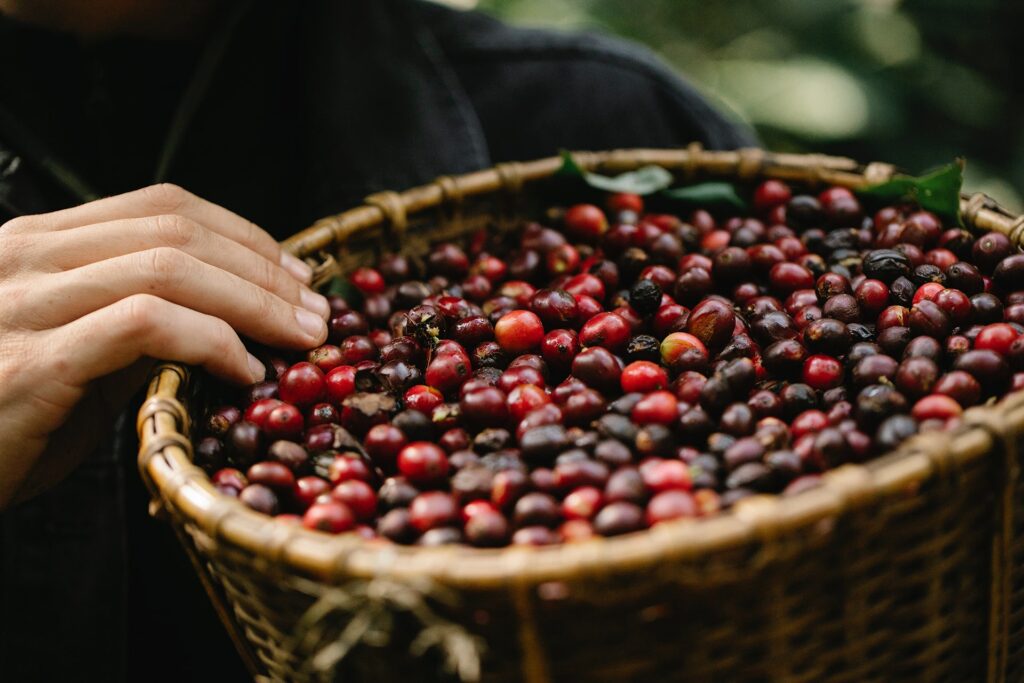
‘The area, that surrounds the washing station, is suitable to cultivate specialty coffee. The station is also well-equipped to handle a 165.000 kilos of green coffee every harvest, using; one Agard (three-disc) pulping machine, fermentation bins, and sufficient drying beds. As the owner of Bonko washing station, I see farmers as equal partners. When they harvest their 1 to 2 hectares of land and deliver ripe red cherries to Bonko washing station, we can reward them with better prices.

Ethiopian Coffee

Ethiopia is the birthplace of coffee. Ancient history claims that an Ethiopian goat herder, Kaldi, first goats eating the coffee fruit off the trees and dancing widely. He was fascinated by these “magic” beans discovered coffee and its magical benefits way back around 850 AD. Legend has it that he discovered his that he brought them home with him. When Kaldi presented their benefits to the village elders, they threw them in the fire proclaiming this magic effect was the work of the devil. Of course, the beans began to roast and the whole room was filled with the fragrance of fresh roasted coffee.
The original name for coffee, kaffa, came from the region in southwest Ethiopia where coffee was first discovered in the wild. Unlike other countries, coffee trees grow naturally here.

Its Flavour

Coffee from Ethiopia is known for its bright fruited and floral flavors. It has a higher acidity, light to medium body and a complex flavor notes. The coffee beans are either washed or naturally processed. The wet processed coffee beans are characterized by their flavor clarity, showcasing bright, complex notes. Naturally processed coffee is dried with the fruit still on the coffee bean. The beans are infused more heavily with fruited notes, such as blueberry, and contain deep chocolate undertones with a syrupy body.

Selections

The southernmost province, Sidamo, is where many of the coffee growing areas are located. Some of the best washed coffees in the world are produced here. The world beloved coffee, Yirgacheffe, with its brighter beans, higher acidity, light body, sweet fruit and floral notes, is produced here. Also, sought by many of the world’s roasters, Guji with its sweet floral notes like jasmine with melon and peach notes and a tea like body, is produced here. Other wet-processed coffees – washed Limu and Jimma are typically soft, round, floral and citrusy.

On the other hand, Harar, in the east of Ethiopia, produce the naturally processed coffees that are distinctively winey, containing fruit character and syrupy body.

Beneficiary

We'd Love To Hear From You

contact us

Find us Here

Training Hours